Home Window Tinting: Benefits, Types & Tips
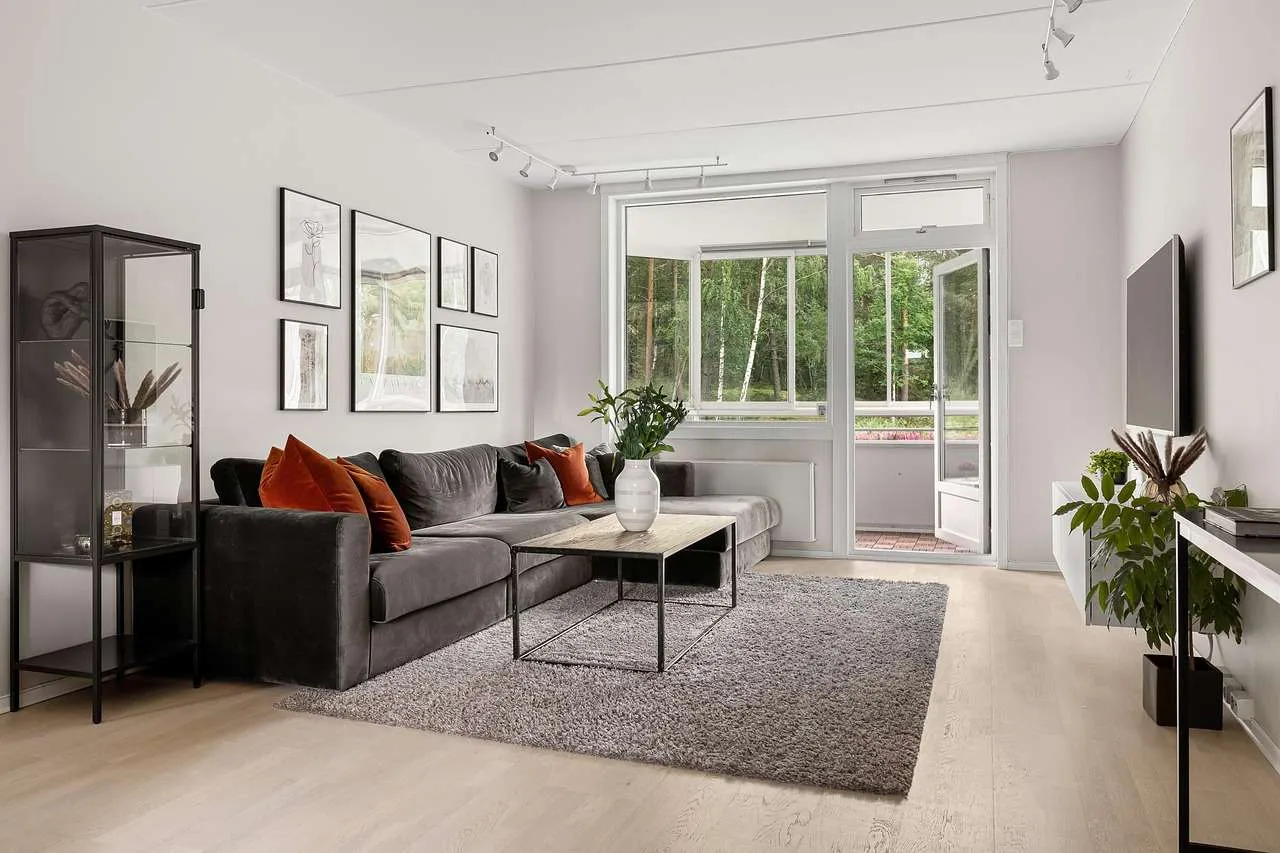
Home window tinting is a practical upgrade that can transform comfort, energy use, and privacy in any residence. By selecting a tinted film for your windows, you can reduce heat gain in hot months, block the majority of ultraviolet UV rays, and minimize glare from the sun. This article explains what home window tinting is, outlines the main benefits, compares common tint types, explains the installation process and costs, and provides guidance on choosing a reputable professional to ensure safe, durable results.
What is home window tinting?
Residential window tinting uses a thin film applied to interior or exterior glass to alter light transmission. The tint can reflect heat, absorb excess energy, or simply soften glare while remaining optically clear enough for daily use. Modern window films are designed to be durable, resistant to scratches, and they commonly include warranties that guard against delamination and fading.
Benefits of home window tinting
- Energy efficiency and cooling savings by lowering heat gain through sunny windows
- UV protection that blocks up to 99 percent of ultraviolet rays, helping protect furnishings and skin
- Glare reduction for comfortable TV viewing and computer work
- Increased privacy without sacrificing exterior visibility during daytime hours
- Safety and security by holding glass together in case of impact
- Aesthetic consistency that complements architectural style and improves curb appeal
- Potential value add and longer-lasting interior condition when paired with quality installation
Types of residential window tint
Dyed window film
Dyed films use color to reduce solar transmission. They are among the more affordable options and can provide noticeable heat reduction and privacy. However, they may fade over time and are typically less durable than other advanced films.
Metalized film
Metalized films reflect a portion of solar energy, delivering strong heat rejection and good glare control. A caveat is that some metalized variants can interfere with electronic signals in certain cases and may require professional installation to avoid uneven appearance or delamination.
Ceramic film
Ceramic films offer high heat rejection without metal content, preserving signal quality for devices and maintaining a natural appearance. They are among the most durable and fade-resistant options, though they come at a higher price point.
Carbon film
Carbon films provide a darker, true color that reduces solar heat and glare while maintaining good visibility. They are non reflective and less prone to showing fingerprints or streaks compared with some other options.
Reflective or mirror film
Reflective films create a mirror-like exterior look and offer strong daytime privacy and heat rejection. They can be highly effective, but may be more noticeable from the outside, so local aesthetics and regulations should be considered.
Choosing a professional window tinting contractor
Professional installation matters as much as the film choice. Look for licensed and insured contractors who specialize in residential tinting, carry manufacturer approved products, and provide written warranties. Ask for recent project photos, client references, and a clear, itemized estimate that includes surface prep, installation time, and aftercare.
Installation process and expectations
- Initial evaluation and measurements to determine film quantities and film type for each window
- Surface inspection and cleaning to remove dust, oils, and old sealants that could affect adhesion
- Film selection and pre-cutting with risk checks for edges and corners
- Professional application with careful squeegeeing to avoid air pockets and bubbles
- Final inspection, cleaning, and curing period before normal use
- Warranty activation and post installation care guidance
Maintenance and care
To extend film life, clean windows with a soft cloth and a mild soap solution. Avoid ammonia-based cleaners that can degrade certain film adhesives. Do not use abrasive tools that can scratch the film. Give cured films time to settle before exposing them to heavy cleaning or direct sunlight after installation.
Costs and return on investment
Residential window tinting typically costs between 2 and 8 per square foot, depending on film type, number of windows, and complexity of the installation. Ceramic and high performance films tend to be at the higher end of the price range but offer greater energy savings and durability. Consider energy savings, UV protection, and improved comfort when evaluating value. Most reputable films come with warranties ranging from 5 to 15 years, with longer coverage often corresponding to higher-quality products.
Comparison of common residential window tint types
| Type | Heat Rejection | UV Rejection | Glare Reduction | Durability | Estimated Cost |
|---|---|---|---|---|---|
| Dyed film | 40-60% | 99% | 40-60% | Medium | 2-4 per sq ft |
| Metalized film | 60-70% | 99% | 60-70% | High | 3-6 per sq ft |
| Ceramic film | 70-85% | 99% | 60-75% | High | 5-10 per sq ft |
| Carbon film | 60-75% | 99% | 55-70% | High | 3-8 per sq ft |
| Reflective film | 60-80% | 99% | 70-85% | High | 4-8 per sq ft |
Note that actual performance depends on window type, climate, and installation quality. Always request data from manufacturers and rely on a trained pro for best results and warranty adherence.
Conclusion, home window tinting offers tangible comfort, energy savings, and privacy when chosen and installed correctly. By understanding the types, benefits, and professional installation process, homeowners can select the right film, budget, and warranty to suit their home. Prioritize reputable installers, ask for warranties, and follow manufacturer care guidelines to maximize performance and longevity.